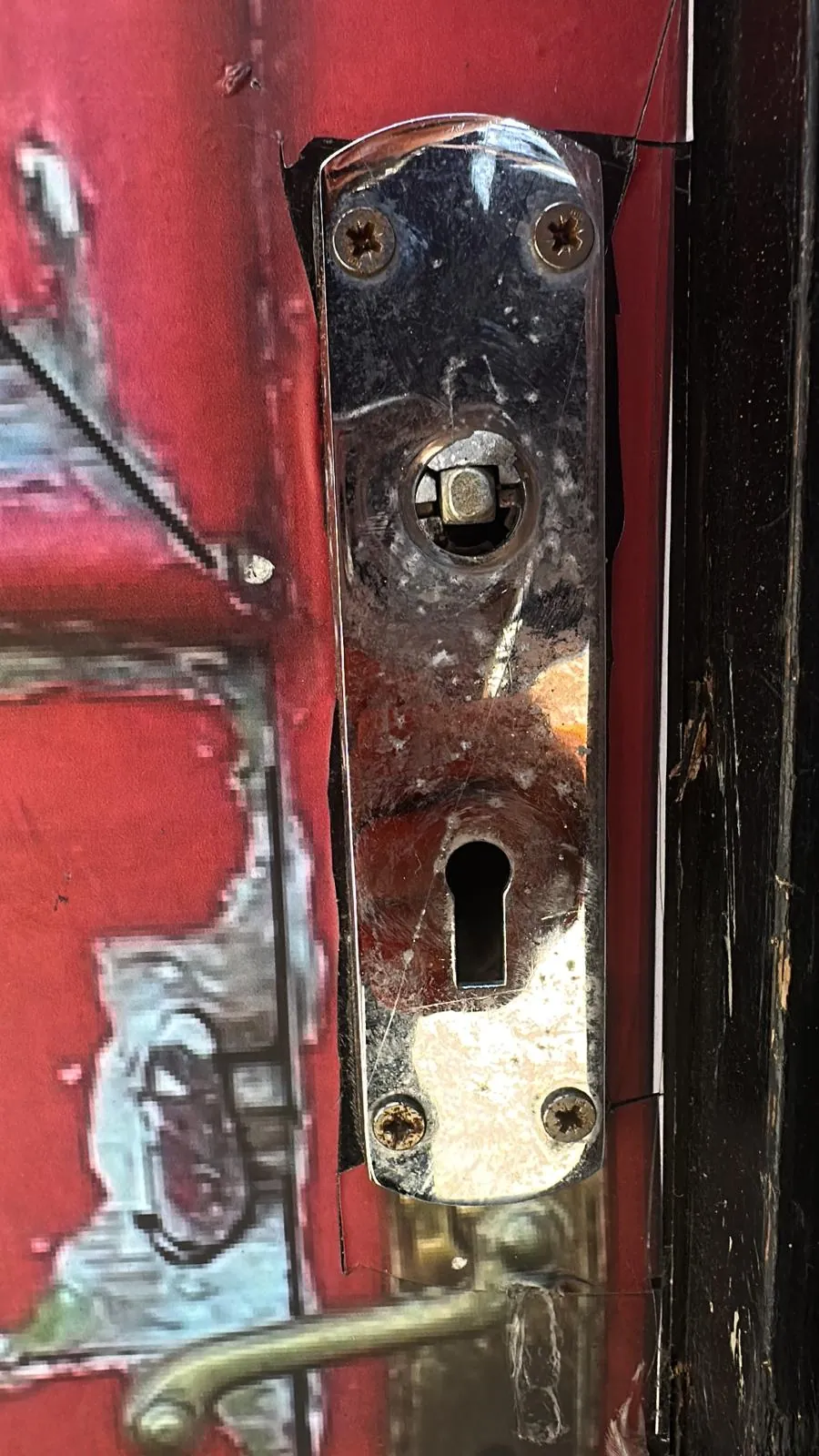
Look at the entrance as a system
Police guidance recommends considering the door, frame, lock, hinges and nearby glazing together. Weak fixings or damaged frames can undermine otherwise suitable hardware. Letterboxes, cat flaps and accessible keys can also affect the entrance. Start with visible condition and everyday use rather than buying a product based on a dramatic claim.
If replacing a door or lock, check the exact certification and what it covers. PAS 24 covers enhanced security performance requirements for doorsets and windows; it is not the name of a cylinder rating. A certified product must be installed and used in the configuration that its documentation supports.
Make simple habits reliable
Police.uk provides practical advice on securing doors and windows. Use the locks as intended, close accessible windows and keep keys out of reach of letterboxes and glass. Do not label keys with your address. Review whether a spare key is held by someone you trust and whether a shared building has a clear access process.
If you live in a flat, keep communal doors secure without letting unknown visitors follow you in. Report a door that fails to latch to the managing agent. Fire doors must remain effective for escape and smoke control; never wedge one open or alter a closer without appropriate advice.
Prioritise based on the property
An older timber entrance, a glazed door and a multipoint uPVC door have different concerns. A locksmith or qualified door professional can assess how the parts work together. Ask what risk a proposed change addresses and what it does not address; a measured answer is more useful than a guarantee.
For further reading, see the Metropolitan Police door security advice and the Police.uk home security hub. RapidLock's lock replacement service can discuss a specific lock enquiry.
Sources and further reading
These sources support the general guidance above. Standards may change; check the issuing body for current editions and product scope.