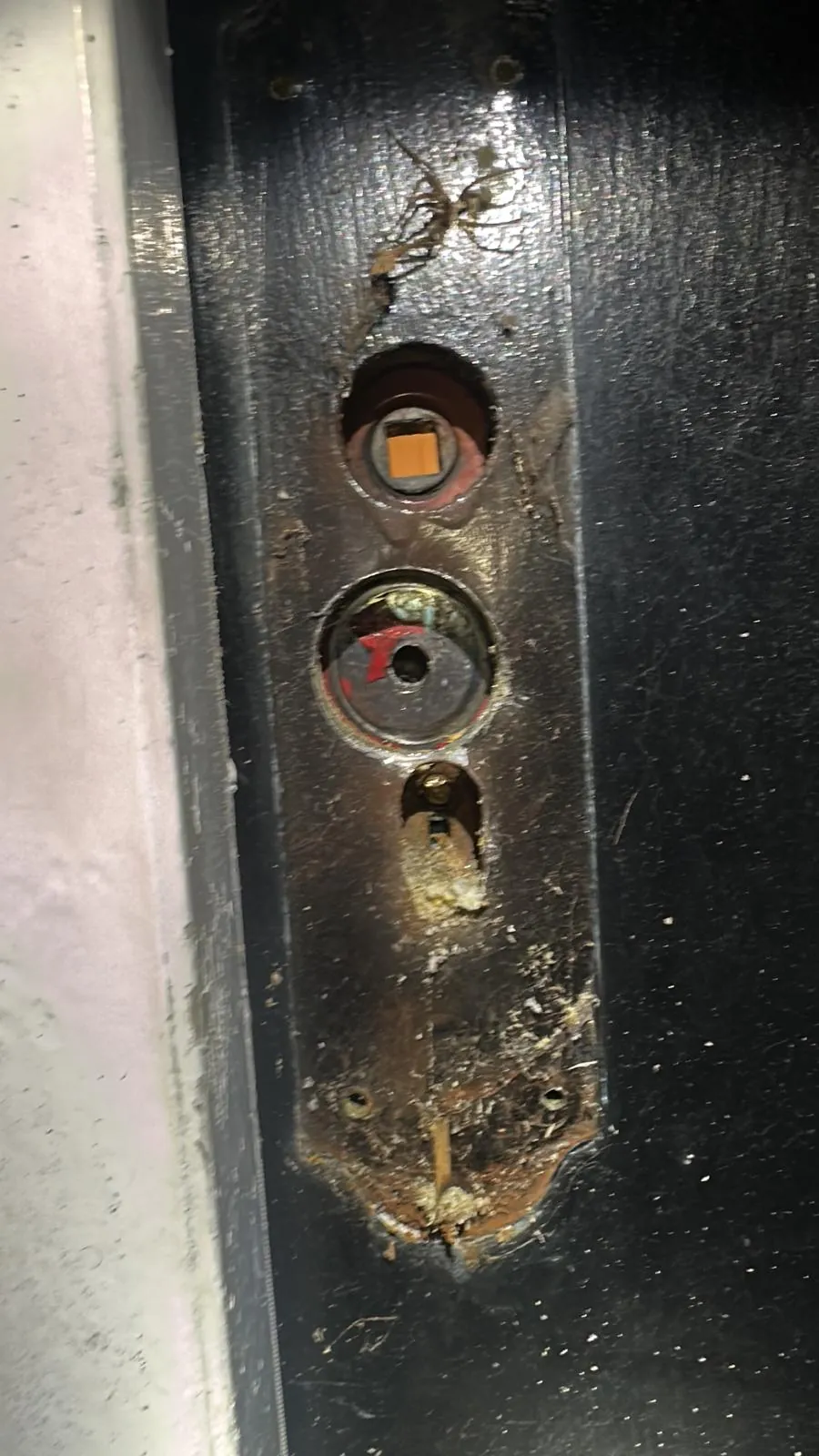
Check doors, frames and windows
Look for visible damage, a door that does not close properly, loose hardware, gaps that have changed, or windows that do not latch. Use existing locks as intended and avoid leaving accessible keys beside a letterbox or glass. Police advice recommends considering the complete entrance rather than one lock in isolation.
If a door no longer locks, address the repair promptly and explain what has changed. Do not force a mechanism or improvise a bypass. For flat entrances and communal doors, include the landlord or managing agent where the building's arrangements require it.
Review everyday access
Keep spare keys in a secure place and avoid identifying labels. If a key or fob is lost with information that could identify the property, consider who should be informed and whether the relevant lock system needs review. Do not buzz in people you do not know to communal buildings; Police.uk advises residents to keep communal entrances closed and secure.
Check lighting, gates and accessible windows as part of a practical routine. Security measures work in combination, but no checklist makes a home crime-proof. Be cautious about statistics or neighbourhood claims that do not show their source, date and geographic scope.
Use official information for your area
For current general advice, start with Police.uk's home security hub and the Metropolitan Police door guide. For a local incident or area-specific advice, use the relevant police service's official channels rather than relying on a locksmith blog.
Rapid Locksmith Liverpool lists residential locksmith, lock replacement and uPVC repair services. The existing site notes that availability can vary by postcode and job; ask the business to confirm your address and requested work. See the residential service or areas directory.
Sources and further reading
These sources support the general guidance above. Standards may change; check the issuing body for current editions and product scope.