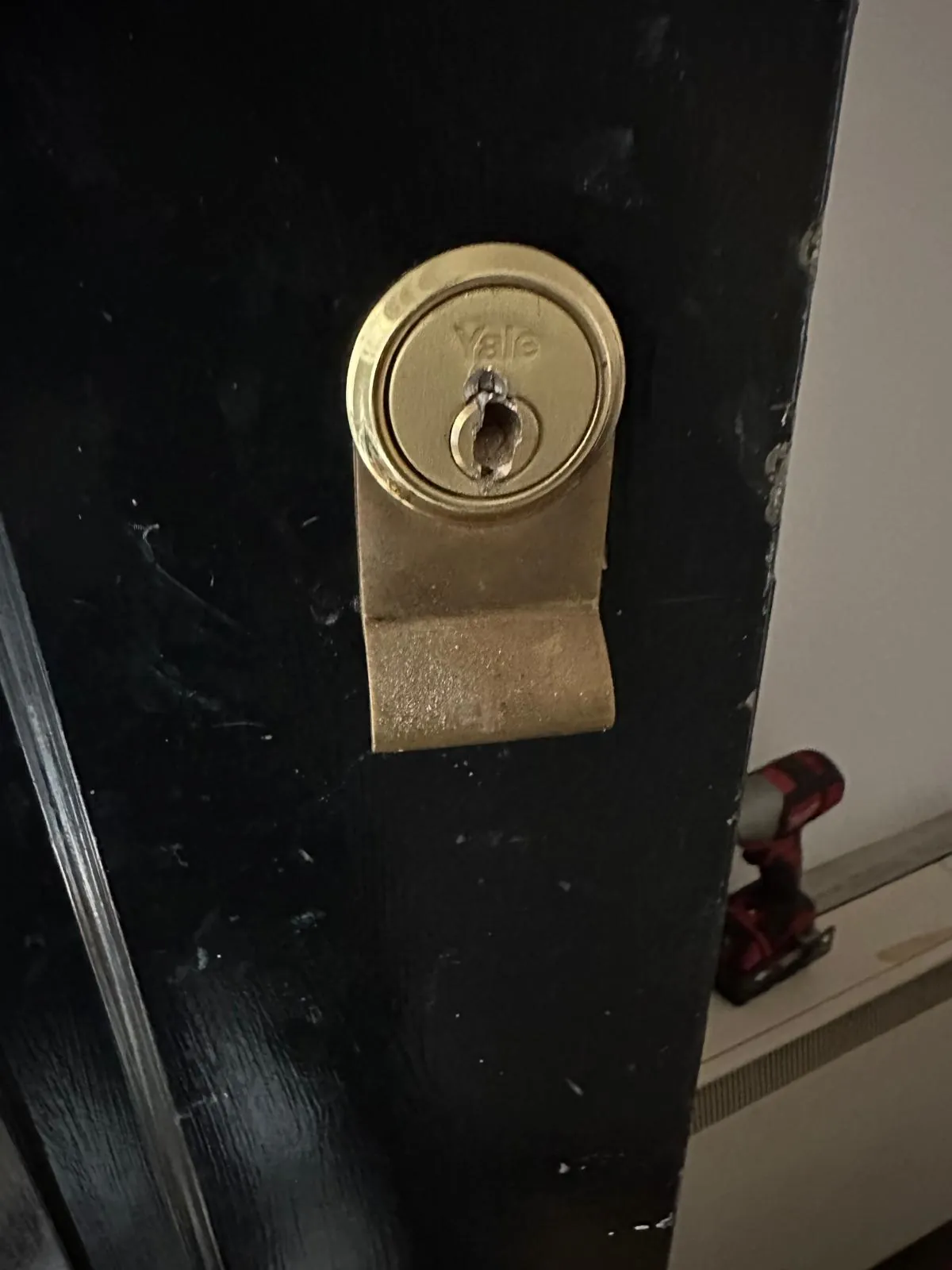
Establish what is known
Work out when the keys were last seen, what doors they open and whether any address, name, fob or other identifying item was with them. A key lost with no identifying details is a different situation from a key attached to an address tag, but only you can assess the circumstances. If theft is suspected, consider reporting it to the police.
If you rent, contact the landlord or managing agent before arranging a lock change. For a shared entrance or flat fire door, there may be building rules and safety requirements. Keep a record of who you contacted and what they advised.
Consider the hardware and key control
Some locks can be rekeyed; others require a cylinder or lock change. The answer depends on the lock design and condition. Ask what component would change, which keys will work afterwards and whether existing copies or controlled-key arrangements are affected.
Do not post a close-up photograph of a key cut online. If asking for help remotely, photograph the door and lock without showing the key, address label or identifying paperwork. RapidLock's replacement and rekeying service can be contacted about the specific hardware.
Use a measured response
If you still have access and there is no immediate concern, gather the facts and agree the work before authorising it. If you are locked out or believe the property is at immediate risk, use the relevant urgent route. Do not try to defeat the lock yourself.
The main lost keys guide explains RapidLock's service context. The help centre has more short answers about keys and locks.
Sources and further reading
These sources support the general guidance above. Standards may change; check the issuing body for current editions and product scope.