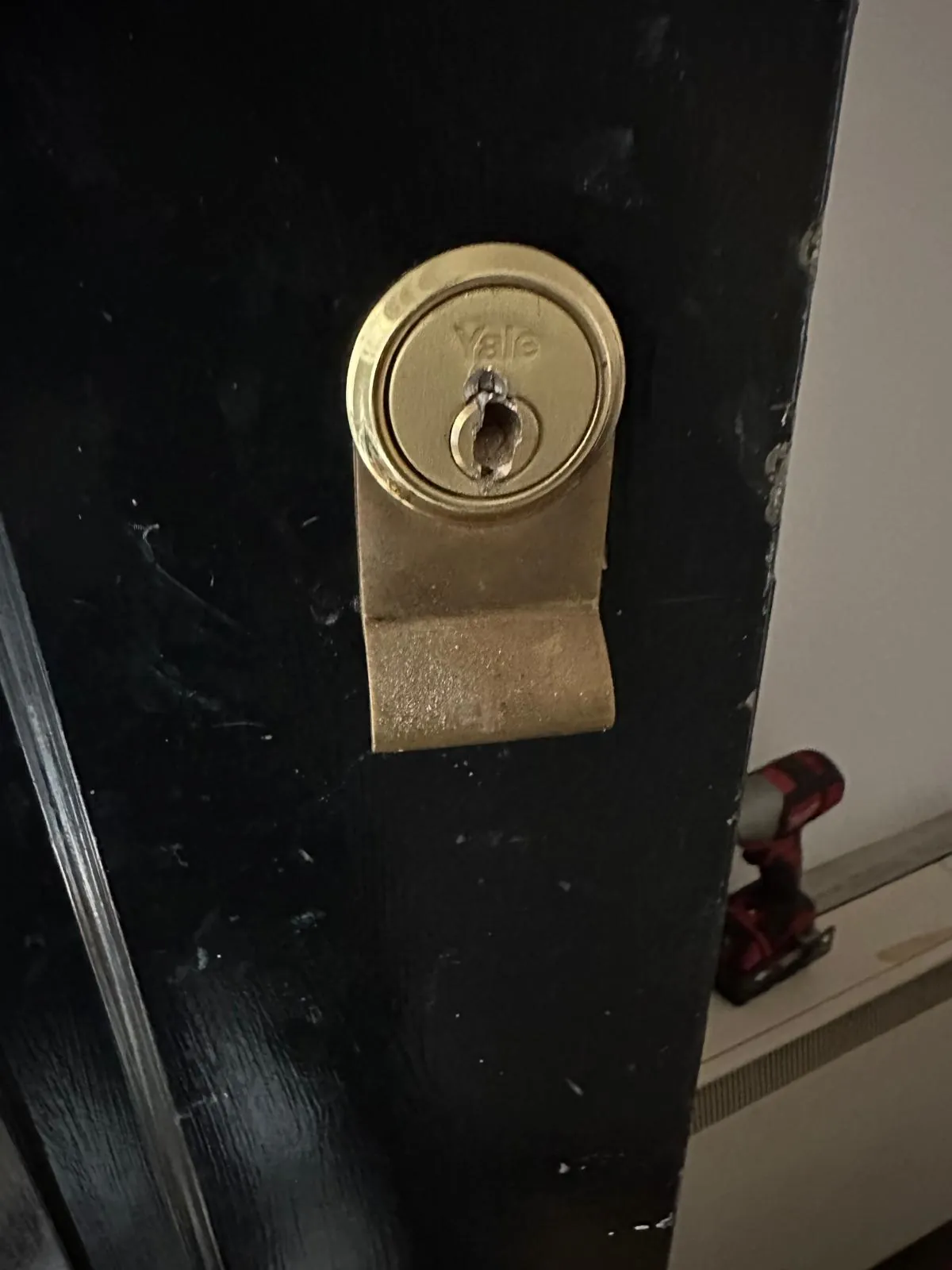
Inspect and use the lock gently
Notice changes in key insertion, turning, handle movement and how the door closes. Keep the area free from visible dirt and check that screws, handles or furniture are not obviously loose. Do not dismantle the cylinder or mechanism to clean it unless the manufacturer instructions explicitly describe that work for the owner.
If a key needs extra force or the handle has become stiff, stop repeating the movement. The door and frame may be putting pressure on the locking points, or a component may be worn. Forcing the key can cause it to bend or snap.
Follow product-specific guidance
Lock designs differ, so there is no universal lubricant or schedule. Follow the instructions for the exact model. For example, ERA’s data sheet for one 3-hook, 4-roller multipoint lock calls for light non-acidic mineral oil on its moving parts twice a year and a soft damp cloth on the surface. Those directions apply to that model, not every cylinder or lock. EVVA also provides model-specific instructions in its downloads library.
If you do not know the cylinder or mechanism model, ask the manufacturer or a locksmith before applying a product. Keep the model details and any maintenance record with the household documentation, not attached to a key that could be lost.
Know when maintenance has become repair
A broken key, loose handle, lock that will not secure, visible damage or worsening resistance needs assessment rather than repeated cleaning attempts. Say what changed and when. If the lock is on a flat fire door, preserve the door's safety function and report relevant faults to the responsible person.
RapidLock lists lock repair and uPVC repairs. The correct route depends on the hardware and the fault.
Sources and further reading
These sources support the general guidance above. Standards may change; check the issuing body for current editions and product scope.