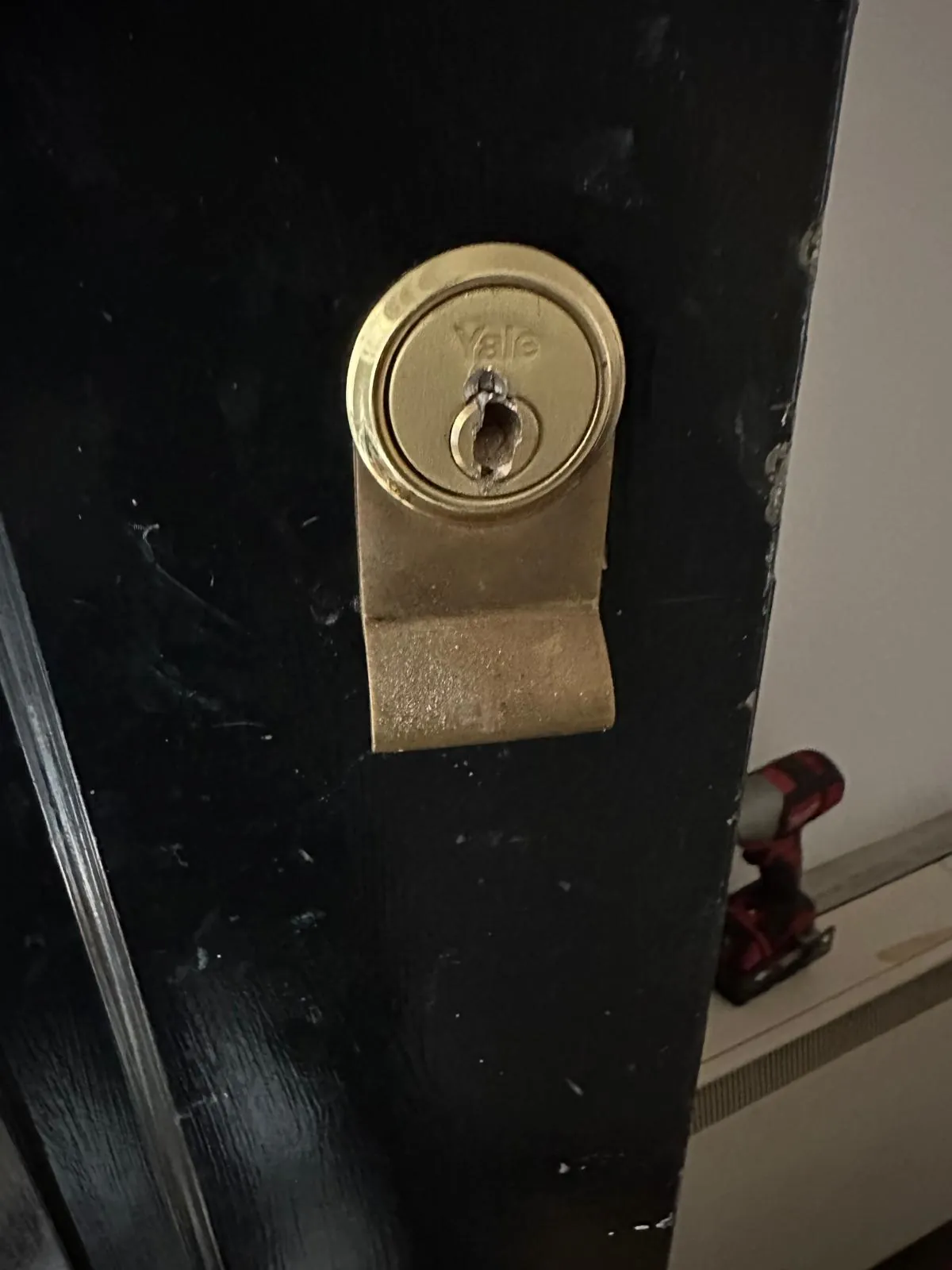
Map who may hold a key
A set of keys handed over at completion or check-in may not describe every copy made over the years. Previous residents, family members, tradespeople or agents may have had access, but do not assume that they did. Start with the information you can verify: what keys were supplied, which doors they operate and whether the lock has a restricted or controlled key system.
For a rented property, read the tenancy information and speak with the landlord or agent before changing locks. For a flat, there may be a separate communal entrance, fire-door rules or a managing agent whose agreement is needed. If a building fob or shared key is missing, ask the manager how access should be reviewed. Do not change a communal system or shared entrance on your own.
Changing and rekeying solve different problems
Replacing a cylinder or lock changes hardware. Rekeying alters a compatible lock so a different key operates it. Whether rekeying is possible depends on the make, model, condition and system. Some cylinders are designed around controlled key systems or special procedures; a locksmith needs to inspect or identify them before confirming a solution.
A replacement may be appropriate when hardware is damaged, unsuitable or cannot be reconfigured, while a key-control concern may have another answer. The phrase “change the locks” can mean different things for a multipoint door, a mortice lock and a euro cylinder. Ask what component will change and how existing keys will behave afterwards.
Check safety and practical details
List each external door, window lock and relevant outbuilding separately. Note which keys operate which locks, whether any lock is stiff, and whether there are internal thumbturns or escape considerations. Keep a spare in a secure place, but avoid labelling it with your address or leaving it close to an exterior door.
If a flat entrance door is a fire door, consult the Responsible Person before altering it. UK Government guidance for England says residents should make changes with the Responsible Person's knowledge and agreement. Other UK nations have different rules and guidance, so seek locally applicable advice.
Choose the next step with clear information
Ask for advice using the door type, lock type if known, number of doors, number of keys supplied and any immediate access or security concern. A photograph of the lock and door edge can help; keep key cuts, address labels and personal documents out of view. Ask whether an inspection is needed and how the work and cost will be agreed.
RapidLock lists lock replacement and rekeying among its services. That does not establish that every existing lock can be rekeyed or that a particular option suits your door. Read its replacement and rekeying service page and ask about your specific hardware.
A quick checklist
- List keys and doors supplied at the move.
- Check tenancy, freeholder and communal-door requirements first.
- Ask whether replacement, rekeying or another option fits the hardware.
- Keep spare keys secure and unlabelled with the property address.
Sources and further reading
These sources support the general guidance above. Standards may change; check the issuing body for current editions and product scope.