Start with people and fire safety
If anyone is trapped or there is an immediate threat, use the appropriate emergency service. Do not block, chain or alter a designated exit to improve security. Government guidance for offices and shops says final exit doors should be quickly and easily openable without a key or code. Keep the premises’ escape arrangements and fire doors under the responsible person’s control.
If the premises is in a shared building, notify the landlord, facilities team or managing agent. They may need to coordinate access or approve work. Keep the failed door's use and any temporary action within the building's safety procedures.
Describe the fault and the door's role
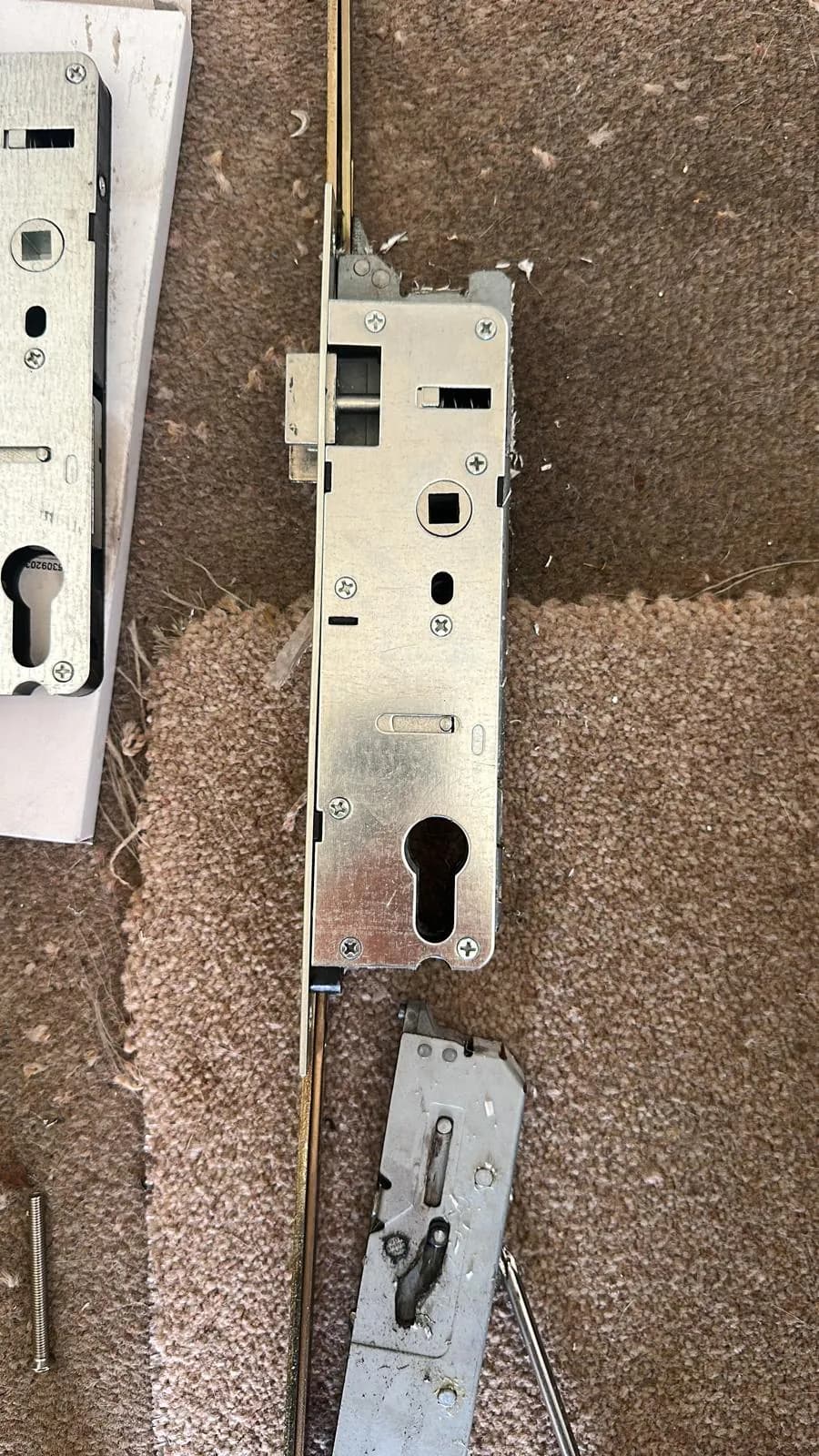
Tell the repairer whether the door is an external entrance, a rear exit, a shutter or an internal fire door. Say whether the key turns, whether the door latches and whether it can be secured without obstructing escape. Share the lock type or a photograph if safe, but do not send a key cut or access code.
A lock that fails while open can present a different problem from one that has trapped a person or left the premises open. State the current condition first, then describe the history and any recent change.
Agree authority, scope and price
Confirm who can authorise the work and how the provider will assess it. Ask what the estimate includes, whether parts are additional and what would change the scope. Agree any replacement or security changes with the responsible person if the door is part of a managed or fire-safety system.
RapidLock lists commercial locksmith enquiries. This article does not confirm that every commercial door system is within the current service scope; describe the door and ask before arranging work.
Sources and further reading
These sources support the general guidance above. Standards may change; check the issuing body for current editions and product scope.