A symptom is not a specification
A handle that is difficult to lift could involve alignment, a gearbox, locking strip, cylinder or another part. A photograph can help identify the hardware, but it does not always show the fault under load or confirm which part failed. A professional may need to inspect the door before deciding what repair is suitable.
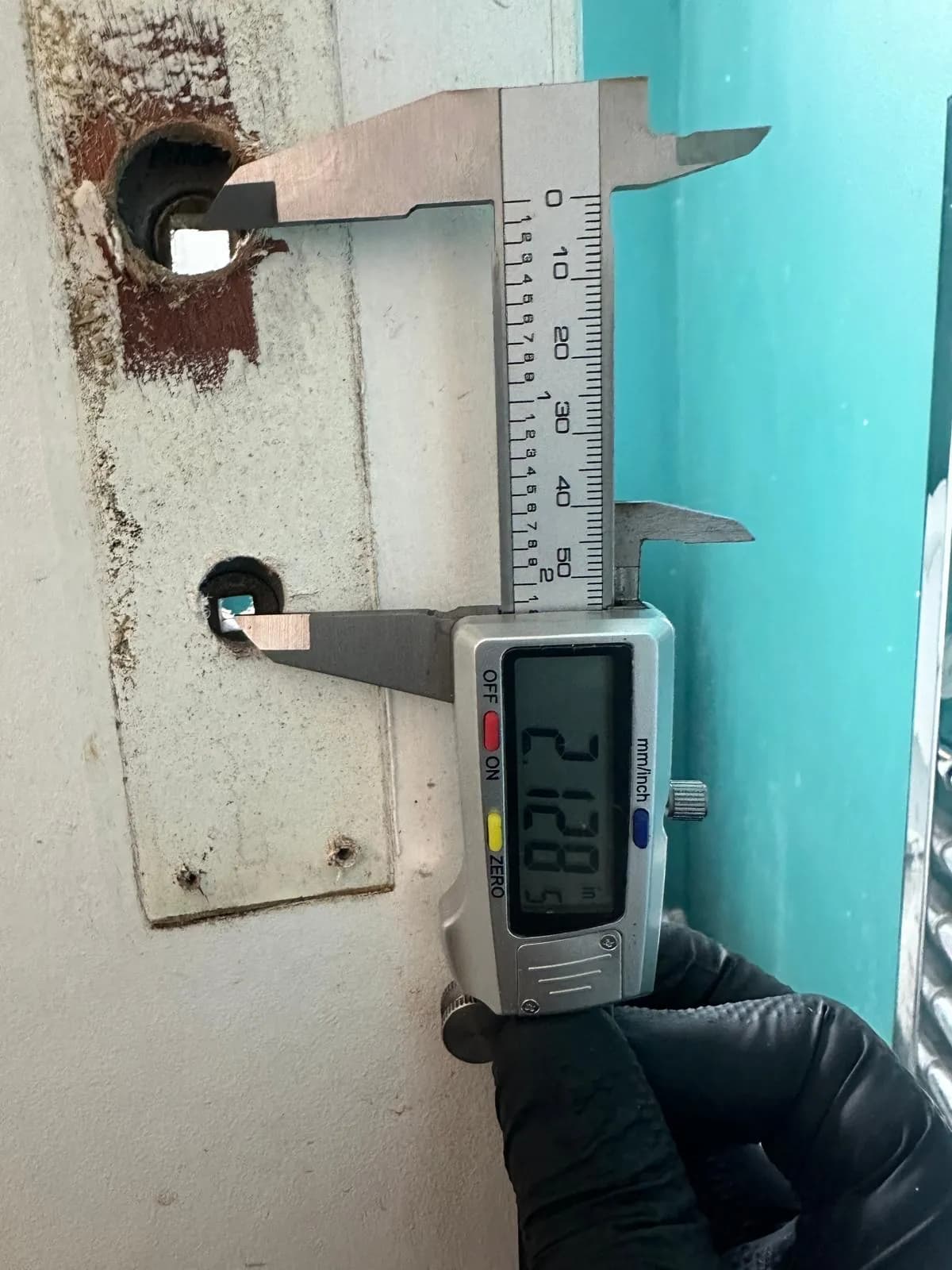
The door's make, age, dimensions, locking-point layout and availability of compatible components can affect the work. A replacement part must fit the mechanism and door; a visually similar strip is not necessarily compatible. Ask whether a quote is provisional pending identification or inspection.
Clarify what is included
Ask whether the price covers the call-out or inspection, labour, parts, adjustment and any follow-up. Ask whether you have a quote or an estimate and what could change it. ERA’s data sheet illustrates why compatibility matters: even a named multipoint model has specific dimensions and options, so confirm any changed scope and price before work proceeds.
Do not rely on a price range from a general article as a promise for your door. RapidLock's existing pages do not publish a fixed uPVC repair price list, so request current terms directly. Its uPVC repair page explains the kinds of symptoms customers can describe.
Help the assessment
Share a wide view of the door and frame, the handle, and any visible markings on the door-edge strip. Note whether the lock works with the door open, whether the key turns and whether the door currently secures. Keep key cuts and identifying documents out of the images.
If the door cannot be secured, tell the business that clearly. Use the emergency contact options for an urgent enquiry, or read the diagnosis guide for safe observations.
Sources and further reading
These sources support the general guidance above. Standards may change; check the issuing body for current editions and product scope.